The Wedding Day Timeline With Your Photographer
The most common cause of rushed wedding photos is not the photographer; it is the timeline. Plan the day with the photography in mind and you get calmer pictures, a more relaxed celebration, and your couple shoot in the best light of the day. This guide offers a tested framework you can adapt.
The most important timeline rule for wedding photos: build in 15 minutes of buffer per block, and place the couple shoot in the last hour before sunset.
A proven framework
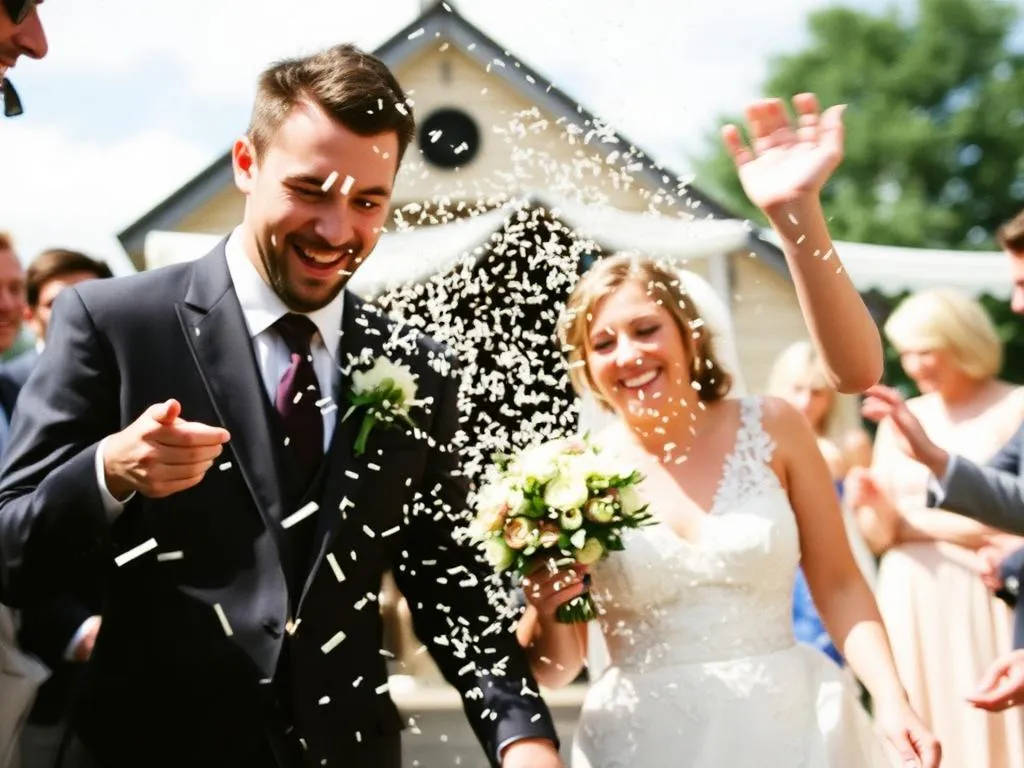
For a wedding with an afternoon ceremony, these blocks have proven themselves: getting ready, 90 to 120 minutes before the ceremony, the most intimate phase of the day; the ceremony, 30 to 60 minutes (what applies at the registry office is covered in the civil wedding guide); congratulations and apero, 60 to 90 minutes, the underrated goldmine of the reportage; group photos, 20 to 30 minutes with a list and a caller, see the group-photo guide; the couple shoot, 30 to 45 minutes, ideally in the golden hour; then speeches, dance and party, where reaction beats planning.
Take the golden hour seriously
Light is the single biggest quality factor in wedding photography, and it is free. In a Swiss summer the golden hour falls roughly between 7:30 and 9:00 pm; in winter it is early afternoon. Do not lock the couple shoot at 2 pm in harsh midday light. Ask your photographer for the sunset time of your date and reserve a 30-minute slot just before it. Your guests will barely notice you were gone.
The couple shoot belongs in the golden hour, the last hour before sunset, which in a Swiss summer falls roughly between 7:30 and 9:00 pm.
The five most common timeline mistakes
No buffer (weddings never run on time); group photos without a list; the couple shoot at midday; getting ready without reserve (make-up always takes longer); and the photographer seeing the timeline only on the wedding day. Send it two weeks ahead; good photographers will tell you where it pinches.
First look: the timeline shortcut
A first look, deliberately seeing each other before the ceremony, visibly relieves the afternoon because couple portraits can happen early. Whether it suits you is its own decision; see the dedicated first-look guide.
How many hours of coverage
From getting ready to the first dance is usually eight to ten hours; a civil wedding with apero takes two to three. Package prices are covered in the pricing guide; how a documentary approach uses those hours is shown on the style page.
Frequently asked questions
When should the couple shoot take place on a wedding day?
The couple shoot delivers its best results in the golden hour, the last hour before sunset, in a Swiss summer roughly between 7:30 and 9:00 pm.
How much buffer does a wedding timeline need?
Plan around 15 minutes of reserve per block; weddings practically always run late, and buffers prevent rushed photographs.
How long does getting ready take with photo coverage?
Allow 90 to 120 minutes before the ceremony for getting ready with coverage, including detail shots of rings, dress and stationery.
How many hours of wedding photography are typical?
Eight to ten hours cover a full day from getting ready to the first dance; two to three hours suffice for a civil wedding with apero.
When should the photographer receive the timeline?
At the latest two weeks before the wedding, so light, distances and buffers can be optimised together.