Reportage
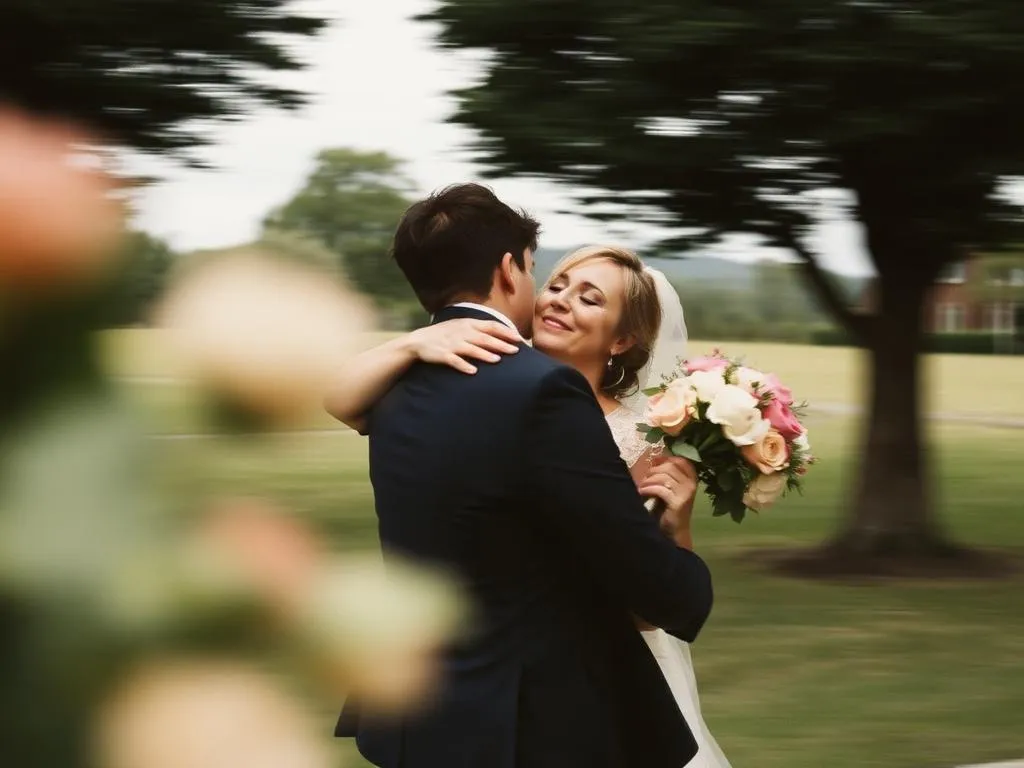
The day as it happens. Discreetly followed, from getting ready to the party.
Ask about this styleModern wedding photography is not a filter and not a trend, it is a mindset: the day is told, not staged. Instead of a sequence of poses, you get a reportage of real moments, the glance just before the yes, the laughter at the apéro, the mother's tear that nobody noticed except the camera. Within this mindset there are different handwritings. This page explains the three most important ones, shows how to recognise them, and helps you decide which one fits your day.
The difference to classic wedding photography lies less in the technique than in the role. Classic means the photographer directs: lining up groups, arranging the couple, working through a list. Modern means the photographer observes, anticipates, and steps in only where needed, for a short couple shoot or the few group photos that truly matter.
The result is a set of images that, twenty years from now, still show how the day felt, not just how everyone looked. Real reactions do not age, poses do. Part of this is restrained, natural editing: no fashionable colour filters that look dated in five years, but a timeless development that respects the light of the day.
Documentary reportage is the purest form. The photographer is present but invisible, staging nothing and missing nothing. From getting ready in the morning through the ceremony to the party, a continuous narrative emerges with everything in between: the nerves, the embraces, the small mishaps everyone laughs about.
Who is it for? Couples who do not want to perform for the camera, who want to be with their guests instead of disappearing into a long shoot, and who want images that tell a story. How to recognise a good reportage photographer: complete galleries that convince in the church, at dinner and on the dance floor at night, not only in golden evening light.
Fine art wedding photography adds a deliberate, crafted layer. Composition, lines and light are more consciously placed, the images feel calmer and more refined, often with a light, delicate palette. The documentary core remains, but the photographer takes more time for individual images and shapes them more actively, especially the couple portraits and the details.
Who is it for? Couples who care about aesthetics and elegance, who have designed their wedding with care, from stationery to florals, and who want the images to match that level. Fine art asks for a little more time in the schedule for the crafted images; a good photographer plans this with you.
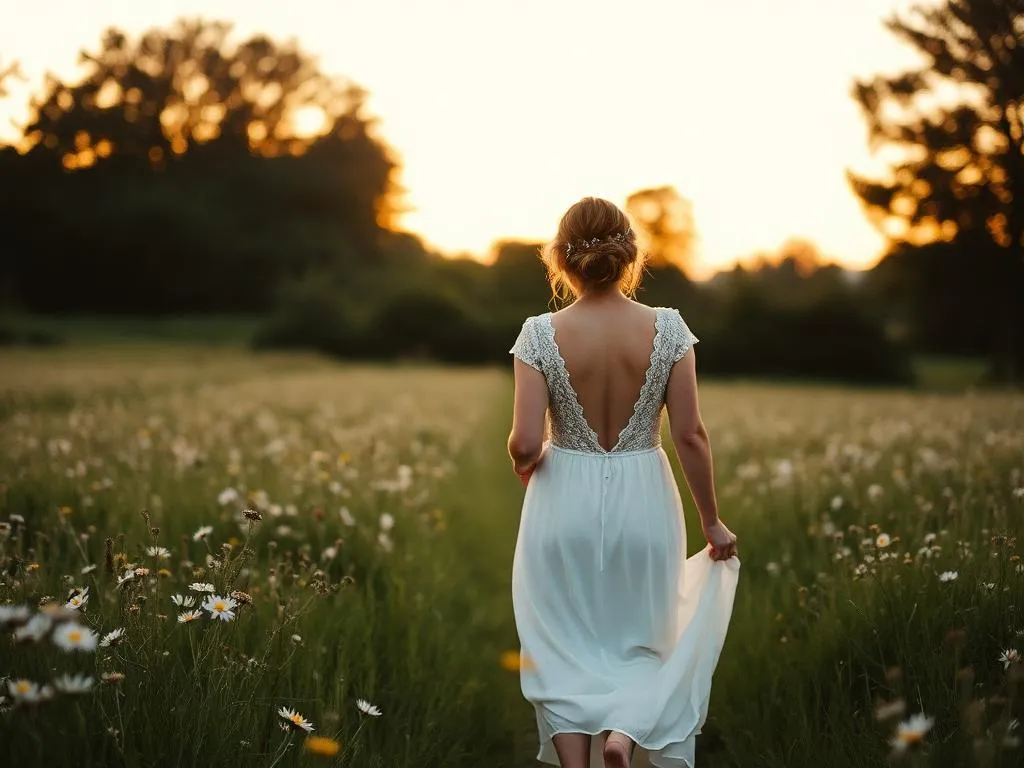
The natural style is the most approachable handwriting. Warm, unforced images in available light, little to no flash, no dramatic effects. The images look the way the day felt, bright, honest and close. Many photographers in Switzerland work in this handwriting, often blending reportage with a relaxed approach to the couple shoot.
Who is it for? Couples who above all want uncomplicated, heartfelt images and who care that nobody has to bend, including the guests. The natural style is also the most forgiving in the schedule, because it works without elaborate lighting setups.
Three questions help with the decision. First: how do you want to feel on the day? If the thought of a long shoot makes you uneasy, reportage or the natural style is your home. If you love crafted, elegant images and are happy to plan time for them, look at fine art. Second: which images will you hang on the wall in ten years? Do not judge by single highlight shots; look at full galleries and notice which visual worlds still move you after twenty images. Third: does the handwriting fit your venue and season? A dark winter wedding in a mountain inn demands different skills than a summer wedding by the lake; ask photographers specifically for examples from comparable situations.
And in the end, the conversation decides. The best handwriting is worthless if the chemistry is wrong, because this person will be closer to you on your day than most of your guests.
A wedding reportage tells your day chronologically and unposed, from getting ready to the party. Instead of staged poses, real scenes emerge: glances, tears, laughter. Documentary wedding reportage is the thread running through this portal, and every curated photographer masters it.
Wedding portraits are the calm counterpart to the reportage: the couple alone for a moment, in the best light of the day. Good wedding portraits never look stiff; they capture you as you are, which is what the selection's natural visual language stands for.
Wedding reportage and wedding portraits complement each other: the reportage captures the day unposed, the portraits show the couple in the best light, both without stiff poses.
Classic wedding photography directs and poses, modern wedding photography documents the day as it happens and steps in only deliberately, for example for a short couple shoot.
In documentary wedding photography, the photographer accompanies the day observantly, without staging. The result is a continuous reportage of real moments, from getting ready to the party.
Fine art wedding photography is a handwriting with deliberate composition, refined light and a calm, often bright palette. The documentary core remains, while individual images are shaped more actively.
You find the right photography style by looking at full galleries instead of highlights, asking yourselves how you want to feel on the day, and checking whether the handwriting fits your venue and season. The first conversation decides the rest.
Honest, close and timeless. Find the visual language that fits your day.
The day as it happens. Discreetly followed, from getting ready to the party.
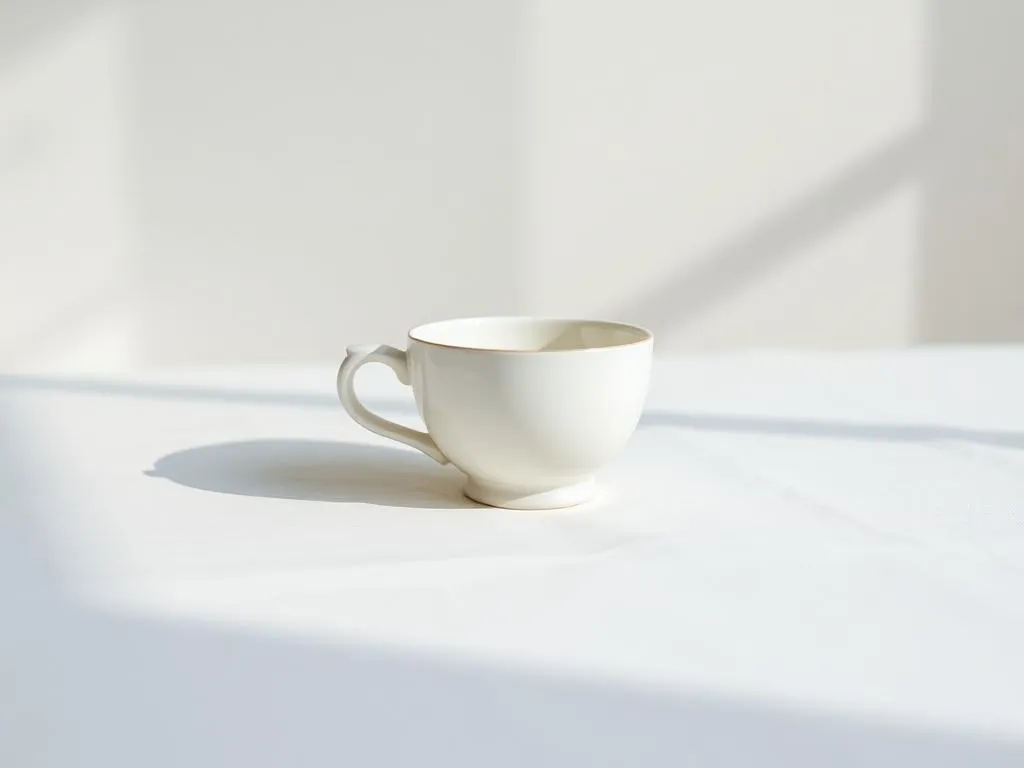
Ask about this styleComposition, light and calm. Images with a clear, crafted visual language.
Ask about this styleWarm, unforced images without harsh flash. The way you want to remember the day.
Ask about this style