Winter Weddings in Switzerland
Winter weddings are Switzerland's underrated discipline: open dates at sought-after venues and photographers, snow as a backdrop, candlelight instead of summer heat. Photographically, winter has one hard currency, light, and one soft one, atmosphere. Know both and you get images no June wedding can deliver.
In the Swiss winter the sun sets early, so the couple shoot belongs in the early afternoon between roughly 2 and 4 pm; after that begins the hour of candles and city light.
Winter light: short, low, soft
In December and January the sun sits low and disappears between roughly 4:30 and 5:00 pm depending on region and topography, earlier in mountain valleys. The daylight window for couple portraits is the early afternoon, not the evening as in summer. Schedule the ceremony around midday and the shoot right after; the timeline guide shows how the blocks fit. A morning first look relieves a winter day particularly well because the light window is narrow. The reward: low golden light for most of the afternoon, and the blue hour right after sunset, when snow and sky share the same cool blue, fifteen minutes of magic.
Working with snow, fog and cold
Snow is a natural reflector and brightens even grey days; fog turns lakes and forests into reduced, almost graphic stages. The visual language becomes calmer, more intimate, more documentary. Practically, winter means 20-minute blocks outside with warm-up breaks in between, otherwise faces visibly freeze. Plan hot drinks, a beautiful jacket or stole that is allowed in the pictures (hiding the jacket costs more images than it shows), and waterproof shoes for the walks.
Snow acts as a natural reflector and brightens winter days; for couple shoots, 20-minute outdoor blocks with warm-up breaks in between have proven themselves.
Places that win in winter
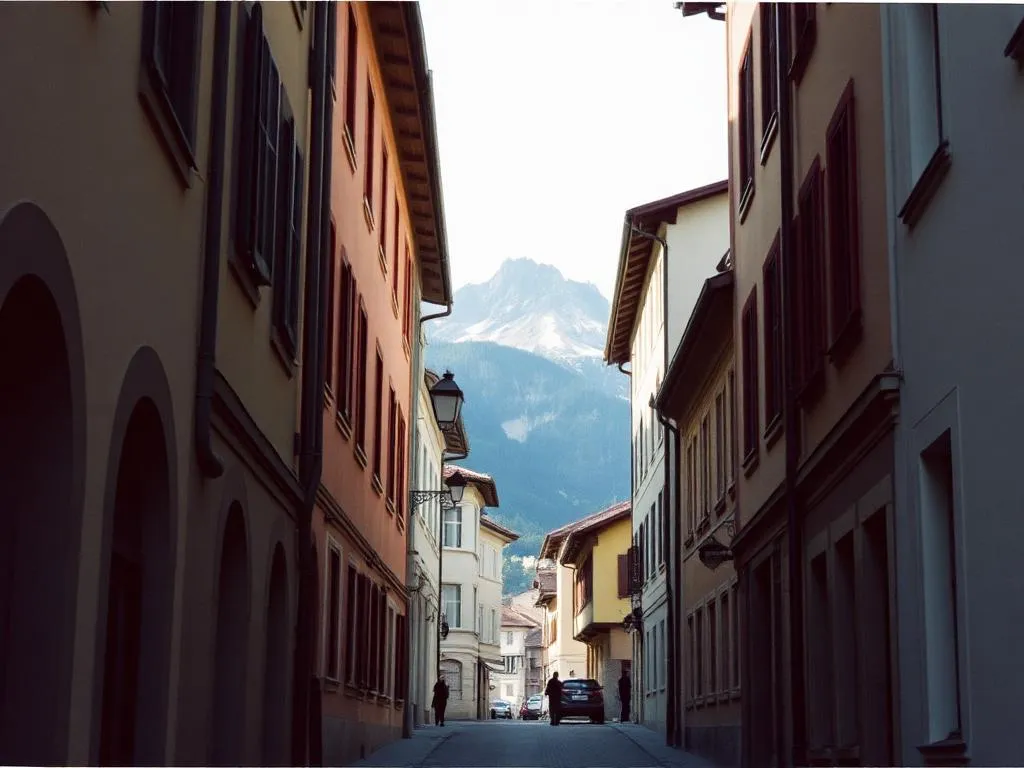
Mountain-near cities play their strength twice in winter: Chur with snowy Grisons peaks minutes away; Thun with an Alpine panorama above the lake that draws sharper in winter light than in summer haze; Zug with its famous evening skies that burn early and intensely in winter. In the old towns, Christmas lights and shop windows take over the evening lighting, free light design for reportage images.
Indoors is half the reportage
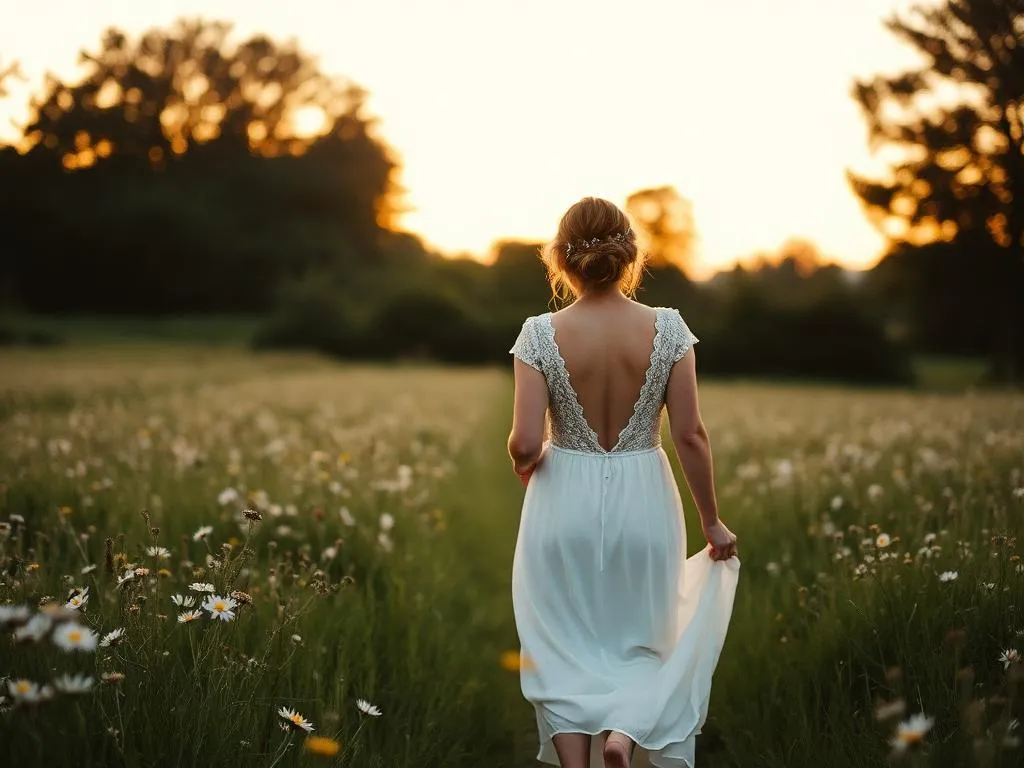
Winter weddings live on interiors: candles, fireplaces, fogged windows, a close crowd. Good photographers love it, but it demands fast lenses and low-light experience. Ask specifically for winter weddings in the portfolio; that is the most honest proof. Curated photographers in your region are one inquiry away.
Frequently asked questions
When should the couple shoot happen at a winter wedding?
At a Swiss winter wedding the best daylight window for the couple shoot is the early afternoon between roughly 2 and 4 pm, as the sun sets around 4:30 to 5:00 pm depending on the region.
What is the blue hour at winter weddings?
The blue hour is the short phase right after sunset when sky and snow glow in the same cool blue; in winter it lasts only about 15 to 20 minutes and delivers particularly atmospheric images.
How long can you photograph outside in winter?
Blocks of about 20 minutes outdoors with warm-up breaks in between keep faces relaxed and hands flexible in the cold.
What photographic advantages does a winter wedding offer?
Low, soft light through the whole afternoon, snow as a natural reflector, reduced backdrops, and atmospheric candle and city light in the evening.